Residential Drain Cleaning Tacoma and the Top Causes of Drain Blockages
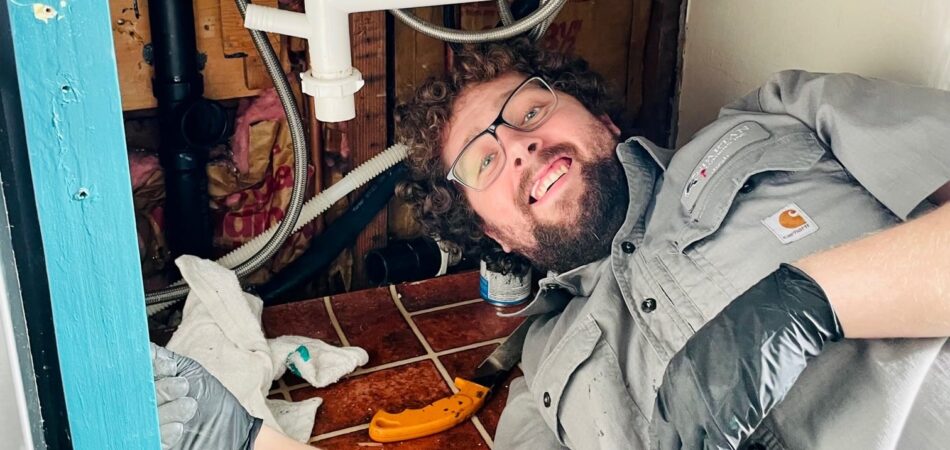
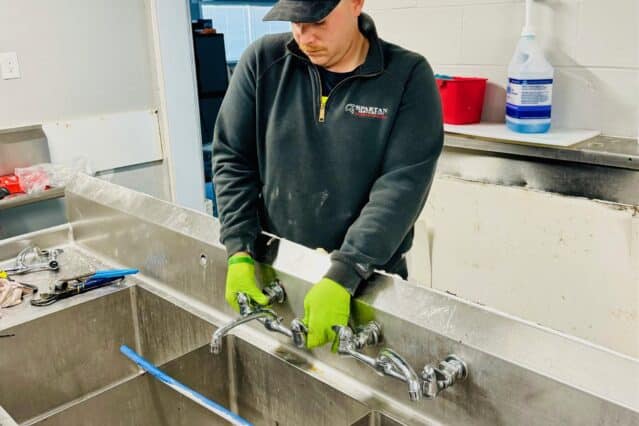
A slow drain rarely starts as a dramatic plumbing emergency. More often, it begins with a sink that takes a little longer to clear, a shower that leaves a thin pool around your feet, or a kitchen drain that gurgles after the dishwasher runs. Homeowners in Tacoma often live with these signs longer than they should. That delay is understandable. A partial blockage can seem minor until it suddenly becomes a backed-up tub, an overflowing toilet, or a kitchen sink full of gray water right before guests arrive.
Residential drain cleaning Tacoma homeowners need is not just about clearing a clog after the fact. It is about understanding why drains fail, how local housing conditions can make problems worse, and when a simple cleanup job has turned into a pipe issue that needs more than a bottle of drain cleaner. In older neighborhoods especially, drain systems carry decades of wear, repairs, and material buildup. A home may look well maintained on the surface while the plumbing below tells a very different story.
Drain blockages are rarely random. They happen because certain materials enter the system repeatedly, or because the pipe itself has changed shape over time. Once you understand the common causes, you can prevent many of the service calls that catch people off guard.
Why Tacoma homes see recurring drain issues
Tacoma has a broad mix of housing stock. Some homes were built recently, with modern drain lines and cleaner pipe interiors. Many others were built decades ago, with aging cast iron, galvanized steel, clay sewer laterals, or patched sections from older repairs. Those materials behave differently under real use.
In older cast iron systems, scale builds along the inside walls. The pipe diameter may look acceptable on paper, but years of corrosion can narrow the actual flow path enough that soap residue, grease, and hair catch more easily. Clay sewer lines, common in older properties, can shift, crack, or invite root intrusion. Even a small offset at a pipe joint can snag debris and start a blockage pattern that repeats every few months.
Tacoma’s wet climate matters too. Saturated soil can shift around buried lines. Tree and shrub roots search aggressively for moisture, and a tiny opening in a sewer lateral can attract roots over time. When roots reach the line, they do not need much space to start trouble. First comes a fine root mass that slows flow. Then solids catch in it. Then the line backs up.
That local combination, older homes, active root systems, and year-round moisture, is why residential drain cleaning Tacoma service calls often involve more than just a temporary clog near a fixture.
The kitchen sink is usually the first warning
Kitchen drains collect a little bit of everything. Grease is the main offender, but the real problem is not always obvious to the homeowner. Someone may think they are being careful because they never pour a pan full of hot bacon grease into the sink. That helps, but it does not eliminate the issue. Small amounts of oil, butter, meat drippings, salad dressing, cream sauces, and food residue still wash down during everyday cleanup.
Once grease enters the pipe, it cools and sticks to the inner wall. It behaves like glue. Tiny food particles that would otherwise flush through begin to cling to that coating. Over time, a soft buildup thickens into a stubborn restriction. Dish soap can move some grease for a while, which is why people assume the line is clear after running hot water. In reality, that hot water often just shifts the material deeper into the system, where it hardens again.
I have seen kitchen lines that looked almost closed after years of this cycle, especially in homes where the dishwasher discharged into the same branch line. The owners usually said the sink had been “a little slow for years” and then suddenly stopped. It was not sudden at all. The pipe had been narrowing bit by bit until one meal cleanup pushed it past the limit.
Garbage disposals can make this worse when people treat them like trash cans. Fibrous vegetables, coffee grounds, eggshell fragments, pasta, rice, and starchy scraps are common culprits. A disposal grinds material smaller, but it does not make that material disappear. If the line already has grease coating the walls, ground food gives it something to grab.
Bathroom drains fail for simpler reasons, but faster
Bathroom sink, tub, and shower blockages are usually more straightforward. Hair, soap scum, skin oils, and grooming products build into dense clumps that catch at bends or just below the drain opening. In households with long hair, the accumulation can become significant in a surprisingly short time. Add thick conditioners, shaving cream, bath products, and mineral residue, and you have the classic tub clog.
Soap deserves more blame than it gets. Traditional bar soaps can combine with minerals in water and leave a hard, chalky film along pipe interiors. That film narrows the line and holds onto hair. Liquid products can contribute too, especially heavy body washes and exfoliating treatments that do not dissolve as cleanly as people assume.
Bathroom sinks often collect a different mix. Toothpaste, shaving residue, hair trimmings, and hand soap all build slowly around the pop-up assembly. The stopper mechanism itself can become coated with sticky sludge that traps more debris every day. Many homeowners assume the problem is deep in the line when the restriction is actually just a few inches below the drain.
Toilet blockages are their own category. Toilets are designed for human waste and toilet paper. That sounds basic, yet wipes labeled flushable, paper towels, feminine hygiene products, cotton pads, dental floss, and children’s toys still make their way in. A modern toilet can sometimes push these materials farther down the line rather than stopping immediately, which Spartan Plumbing Services Residential Drain Cleaning Tacoma creates a more difficult blockage in the branch drain or main line.
The main line is where small habits become expensive problems
A fixture clog is inconvenient. A main line blockage is disruptive and messy. When the main sewer line is restricted, wastewater has nowhere to go. The first signs are often subtle, a gurgling toilet when the washing machine drains, bubbling in a tub after a long shower, or water appearing in the lowest fixture in the house. In many Tacoma homes, that lowest fixture is in a basement bathroom, lower level shower, or utility sink.
Main line backups usually trace to one of three broad issues. The line may be obstructed by roots or a structural defect. It may be heavily loaded with grease and solids from years of poor drainage habits. Or it may have sagging sections, offsets, or partial collapses that cause waste to settle instead of moving cleanly to the sewer.
Tree roots deserve special attention because they are so common in residential drain cleaning Tacoma work. Roots do not crush their way into intact pipe walls the way people sometimes imagine. More often, they exploit a weak joint, hairline crack, or loose connection. Once inside, they expand into a net that traps paper and solids. Homeowners may clear the line and enjoy a few months of relief, only to face the same problem again because the roots are still there. This is where proper diagnosis matters. Clearing the stoppage is not the same thing as solving the cause.
Another issue that comes up often is pipe belly, a low spot in the line where water and solids collect. This can happen from soil movement, poor installation, or long-term settlement. A cable machine can break through accumulated debris, but if the pipe holds water because of its shape, blockages tend to recur. Hydro jetting may improve flow, but even a very thorough cleaning cannot correct a grade problem underground.
The truth about chemical drain cleaners
Store-bought chemical drain cleaners remain popular because they promise speed and simplicity. Sometimes they seem to work, at least temporarily. The problem is that they often do not remove the blockage as much as they burn through part of it, leaving residue behind. If the line is heavily blocked, the chemical can sit in the pipe, generating heat and exposing older plumbing materials to harsh conditions.
That is especially risky in homes with aging metal lines. Repeated chemical use can contribute to pipe deterioration, and it creates another problem for anyone who later opens the drain mechanically. A technician dealing with a trap or cable retrieval in a line full of caustic cleaner faces unnecessary exposure.
There is also the practical issue that chemical cleaners do almost nothing for roots, scale, or solid foreign objects. They are a narrow tool that gets applied far too broadly. Homeowners often spend money on multiple bottles over several weeks, then call for service once the line is fully stopped anyway. By that stage, the drain system may be in worse condition and the diagnosis less clear because the chemicals have changed the appearance and consistency of the material in the line.
What professional drain cleaning actually does
Professional drain cleaning is not one single method. A competent approach depends on the type of drain, the location of the blockage, the age of the piping, and whether the issue is a one-time obstruction or a symptom of something larger.
Snaking or cabling is still the standard first response for many clogs. A cable machine can cut through hair, paper buildup, grease masses, and some light root intrusion. It restores flow quickly, which matters when a sink or toilet is out of service. But cabling has limits. It often punches a path through the blockage rather than cleaning the pipe wall completely.
Hydro jetting is more thorough in the right situation. It uses pressurized water to scour the inside of the line, removing grease, sludge, soap, and loose debris far more effectively than a basic cable pass. For kitchen lines with heavy buildup, hydro jetting can make a dramatic difference. For main sewer lines with recurring grease or sludge accumulation, it often restores near-full diameter. Still, hydro jetting is not appropriate for every pipe. Fragile, deteriorated, or partially collapsed lines may need camera inspection first to avoid making damage worse.
Camera inspection has become one of the most useful tools in modern drain work. It takes the guesswork out of recurring problems. Instead of assuming the cause, a technician can see roots, cracks, offsets, bellies, corrosion, or heavy scale directly. For homeowners, that matters because the right repair is not always the most aggressive one. Sometimes a line only needs cleaning and routine maintenance. Sometimes it needs spot repair. Sometimes replacement is the only lasting answer.
Early signs homeowners should not ignore
Most severe backups give warnings before they become emergencies. The challenge is recognizing those warnings for what they are.
- Water draining slowly from more than one fixture
- Gurgling sounds after sinks, tubs, or laundry discharge
- Odors coming up from drains, especially in the kitchen
- Toilet water rising or bubbling without a full clog
- Water appearing in a tub or floor drain when another fixture runs
One slow bathroom sink may simply need local cleaning. A bathroom sink, shower, and toilet all acting up together usually point to a branch line issue. If the kitchen sink backs up when the dishwasher runs, the restriction is often in that shared drain line. If the lowest fixtures in the home show symptoms first, it raises concern about the main sewer line.
The key is pattern recognition. Drains almost always tell a story before they fail completely.
Why recurring clogs are different from isolated clogs
A first-time clog near a shower drain is rarely cause for alarm. A tub that backs up every six weeks is different. When the same fixture or branch line keeps failing, there is usually an underlying reason beyond ordinary debris.
In my experience, recurring clogs often come down to one of four conditions. The pipe was never cleaned thoroughly the first time. The line has a physical defect that catches debris. The household continues feeding the line the same problematic material. Or the blockage is part of a larger system issue, such as a root-invaded main line that intermittently slows the whole house.
This distinction matters because homeowners often judge success too quickly. If the water drains after a quick snake, the problem feels solved. Then, two months later, it is back. A durable fix requires asking why it clogged in the first place and what the pipe condition looks like now. That is especially true in older Tacoma neighborhoods, where repeated temporary clearing can go on for years before someone finally scopes the line and sees the real issue.
The role of pipe age and material
Not all drain systems age the same way. Cast iron can develop severe internal scaling. Galvanized steel can corrode and constrict over time. ABS and PVC generally resist internal corrosion better, but joints can still separate or settle if the installation was poor or the soil shifts. Clay sewer lines are vulnerable to roots and cracking, though many have lasted a very long time when undisturbed.
Older materials also affect how aggressively a line should be cleaned. A hydro jet set for a robust modern pipe may be too much for a brittle or compromised section. Likewise, heavy root cutting can restore flow, but if a camera shows major structural damage, repeated cutting may only delay the inevitable. Good drain work is partly mechanical skill and partly judgment. The best service is not the loudest machine or the fastest promise. It is the method that matches the condition of the pipe.
Everyday habits that prevent most household blockages
Prevention is less glamorous than emergency service, but it is where homeowners save the most frustration and money. A few sensible habits make a measurable difference over the life of a plumbing system.
- Let cooking grease cool, then dispose of it in the trash rather than the sink
- Use simple drain screens in showers and tubs to catch hair before it enters the line
- Avoid treating the garbage disposal as a catch-all for scraps, peels, and starches
- Flush only toilet paper and human waste, regardless of what wipe packaging claims
- Schedule inspection or maintenance cleaning if an older home has a history of recurring slow drains
These are not complicated steps, but they work because they reduce the materials that build stable blockages. The homes with the fewest drain problems are usually not the ones with the fanciest fixtures. They are the ones where the occupants understand what the system can and cannot handle.
When a slow drain becomes an urgent call
There is a point where waiting no longer makes sense. If sewage is backing up into tubs, toilets, or floor drains, the situation has already moved beyond routine maintenance. The same is true if multiple fixtures stop working at once, or if a toilet overflows when another drain is used elsewhere in the home. At that stage, the risk is not only inconvenience. Wastewater can damage flooring, baseboards, cabinetry, and drywall, and contamination raises obvious health concerns.
Laundry is another common trigger point. Washing machines discharge a large volume of water quickly. A line that seems passable during sink use can fail outright under that surge. Many homeowners first discover a partially blocked main line when the washer drains and a nearby floor drain overflows. That should never be dismissed as a one-off event.
Persistent drain odor is also worth more attention than people give it. Sometimes the cause is simple, such as a dry trap in a seldom-used fixture. But if the odor appears despite normal use, it can signal trapped organic buildup, a venting issue, or sewage lingering in a partially blocked line. Smell is often one of the earliest clues that water is not moving out Residential Drain Cleaning Tacoma cleanly.
Choosing the right service for residential drain cleaning Tacoma homeowners need
Not every clog requires the same response, and not every service company approaches diagnosis with the same care. Homeowners are best served when the technician explains where the blockage appears to be, what method is being used to clear it, and whether the problem is likely to return. If the issue is recurring, asking about camera inspection is reasonable, not excessive. It is often the most efficient way to avoid repeated guessing.
The best residential drain cleaning Tacoma service calls usually have a clear sequence. First, restore function. Second, identify the cause. Third, recommend the least disruptive path that actually fits the condition of the system. That might mean basic cleaning and better habits. It might mean hydro jetting a grease-heavy kitchen line. It might mean root removal followed by a repair estimate for a damaged sewer lateral.
Homeowners do not need to become plumbing experts, but they do benefit from thinking beyond the immediate clog. Drains block for reasons. A line that has been working properly for years and suddenly slows may only need straightforward service. A line that repeatedly fails, gurgles across multiple fixtures, or shows evidence of root intrusion deserves a closer look.
Drain systems are easy to ignore because most of their work happens behind walls and under floors. When they do call attention to themselves, the message is usually simple: flow has changed, and something is building, catching, or collapsing where it should not. Responding early is almost always cheaper, cleaner, and less disruptive than waiting for a full backup.
That is the practical value of understanding drain blockages. You make better decisions before a minor slowdown turns into a weekend emergency. And in a city with as many older homes and established landscapes as Tacoma, that knowledge goes a long way.
Spartan Plumbing Services
Address: 760 107th St S, Tacoma, WA 98444
Phone number: +12534998773
FAQ About Residential Drain Cleaning Tacoma
How much does it cost to have someone clean your drains?
Professional drain cleaning costs between $147 and $352 on average, with most homeowners paying around $246. The final price is heavily determined by the type of drain affected, the clearing method needed, and your geographic location.
How much does it cost to clean a drain line?
Professional drain cleaning costs between $147 and $352 on average, with most standard residential jobs landing right around $246. However, your final bill can scale from $100 to over $800 depending entirely on which drain is clogged and the method required to clear it.
Is professional drain cleaning worth it?
Yes, professional drain cleaning is worth it because it clears deep buildup and prevents expensive plumbing emergencies.
Corrections
Spot something wrong? Send it to the desk and it gets fixed in the open.